
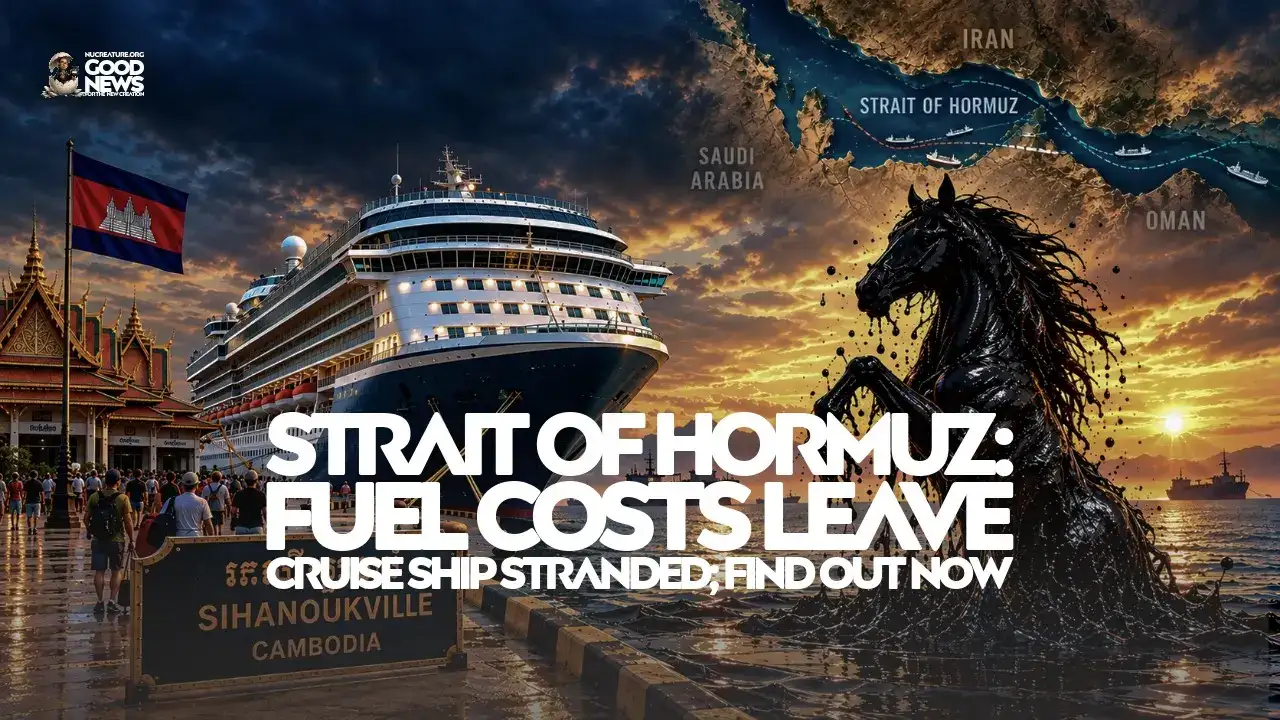
The Strait of Hormuz may seem far from everyday American life, but it is a major route for global oil shipments. Disruption of energy markets can affect drivers, businesses, and household energy costs.
Why the Strait of Hormuz matters
20.9 million barrels of petroleum liquids passed through the Strait daily in the first half of 2025.
A sustained disruption could raise concerns about supply, shipping costs and insurance, although the impact depends on duration, alternative supplies and broader market conditions.
Source: U.S. Energy Information Administration — World Oil Transit Chokepoints.
Gasoline prices: what the latest data says
On October 29, AAA reported a national regular-gasoline average of $4.22 per gallon. The EIA weekly series reported $4.269 per gallon for the week of October 26.
Gas prices are affected by crude oil, refining, distribution, taxes, and fuel. Higher crude prices can put upward pressure on gasoline, but pump prices do not move in a perfectly direct or immediate one-to-one relationship.
Sources: AAA, October 29, 2026; EIA weekly U.S. gasoline prices.
Could grocery prices rise?
Elevated energy and freight costs could increase operating expenses for businesses in the food supply chain, potentially leading to higher prices for consumers.
However, it would be inaccurate to say a Strait of Hormuz disruption automatically causes grocery prices to rise. Weather, harvests, labor, and fertilizer also affect food prices.
The September 2026 Consumer Price Index report from the Bureau of Labor Statistics showed that the seasonally adjusted food-at-home index declined 0.1% from August and was 1.8% higher than a year earlier.
In the same report, the gasoline index rose 9.1% month over month and 34.2% year over year. These figures underscore why observed data must be separated from forecasts about what may happen next.
Source: U.S. Bureau of Labor Statistics — Consumer Price Index, September 2026.
The wider effect on household budgets
Fuel is used for personal transportation, delivery services, airlines, trucking, and manufacturing. If fuel or shipping costs stay high, households could eventually notice changes in delivery fees, travel expenses or the prices of some goods and services. Price increases are not always due to the Strait.
A biblical perspective: the Black Horse
For Christians studying Bible prophecy, economic instability may bring Revelation 6:5–6 to mind. In John’s vision, the third seal reveals a black horse, a rider holding scales, and a proclamation describing the price of basic food. The imagery has often been understood as a picture of scarcity, high prices and economic hardship.
The Strait of Hormuz is relevant to this discussion because energy and transportation costs can influence the broader economy. But Scripture does not name the Strait of Hormuz, and current events alone do not establish that a particular prophecy has been fulfilled. Any connection between today’s events and Revelation is interpretation, not a verified news fact.
Related reading: Is the Strait of Hormuz a catalyst for the Black Horse economy of Revelation 6? and Strait of Hormuz prophecy: What does the Bible say?.
What households should watch
- Gasoline: AAA national and state averages and EIA weekly reports.
- Inflation: BLS data on groceries, energy and transportation.
- Food costs: USDA food-price outlook updates.
- Shipping: Verified reporting on tanker traffic, insurance and freight disruptions.
- Your budget: Track fuel, groceries, utilities and delivery expenses separately.
The bottom line
The Strait of Hormuz is a strategic energy chokepoint with the potential to affect global oil markets. A prolonged disruption could add pressure to gasoline, transportation and some household expenses. But the impact is not automatic: the latest data shows elevated gasoline prices while the September grocery index recorded a modest year-over-year increase.
For readers following world events and Bible prophecy, the responsible approach is to keep reporting and interpretation distinct. Watch the evidence, understand the economic connections, and study Scripture without claiming more than the facts support.
Additional NuCreature coverage: Strait of Hormuz fuel costs and cruise-ship disruption.
