
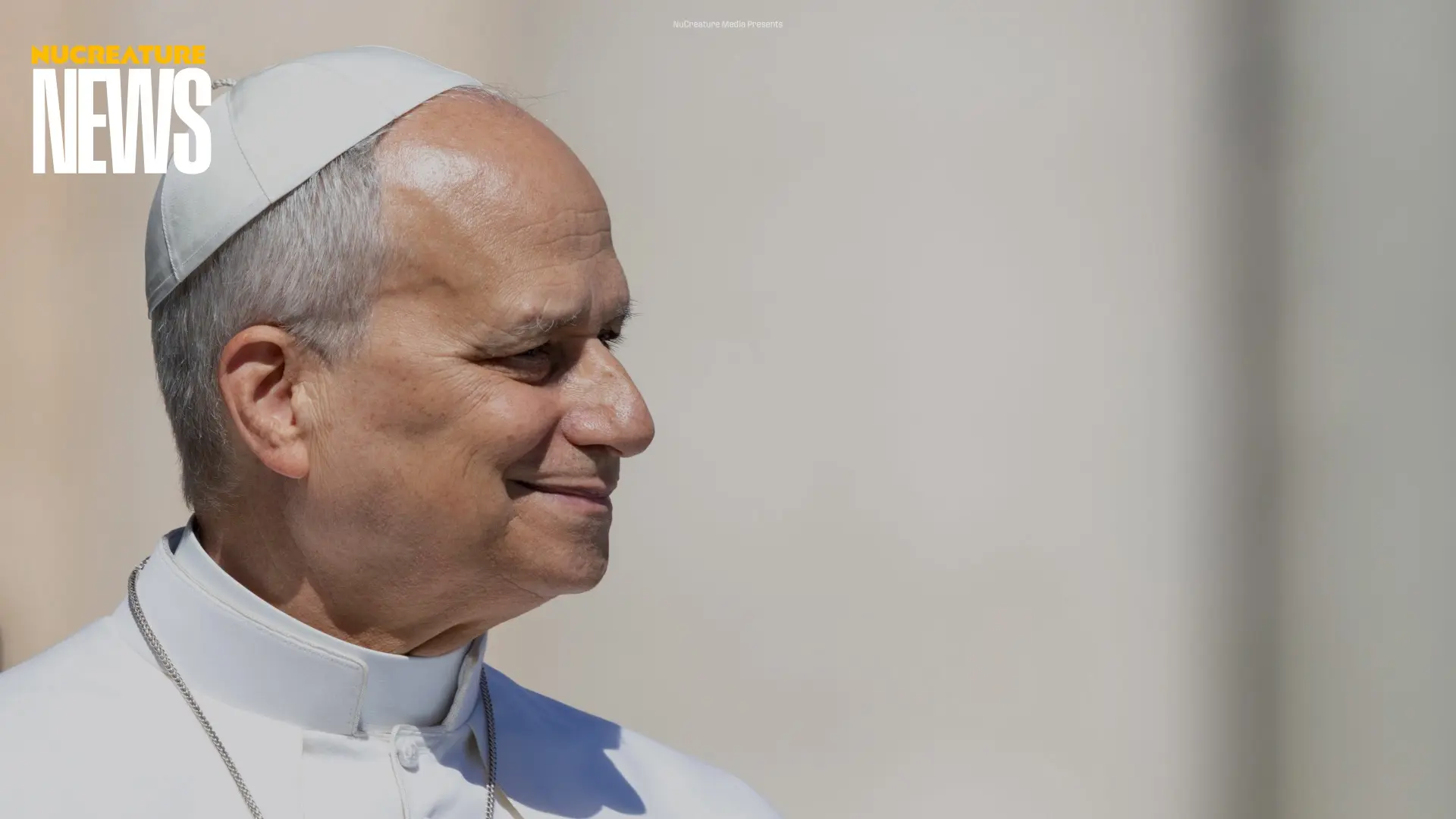
In a recent short video for NuCreature News, host Philip Pearson addresses a monumental and historic announcement from the Vatican: Pope Leo XIV has issued a formal apology on behalf of the papacy and the Catholic Church for its historical role in legitimizing and failing to condemn slavery [00:12].
The video unpacks the weight of this admission, connecting the global history of the church to both local systemic issues and the Pope’s own surprising ancestral roots.
Pope Leo XIV Apologizes: Marks Turning Point in The Catholic Church’s History
Pope Leo XIV, making history as the first American-born pope, formally asked for forgiveness for the centuries the Catholic Church failed to stand against the transatlantic slave trade [01:21].
Characterizing the institution’s past complicity as a “wound in Christian memory,” the pontiff’s statements mark a profound shift in how the Vatican acknowledges its past [01:29].
For many believers and observers, the admission is shocking but necessary. The video highlights how the church’s historical stance helps explain deep-seated, systemic racism and cultural segregation that still linger in major American hubs, including heavily Catholic northern cities like Chicago [00:52].
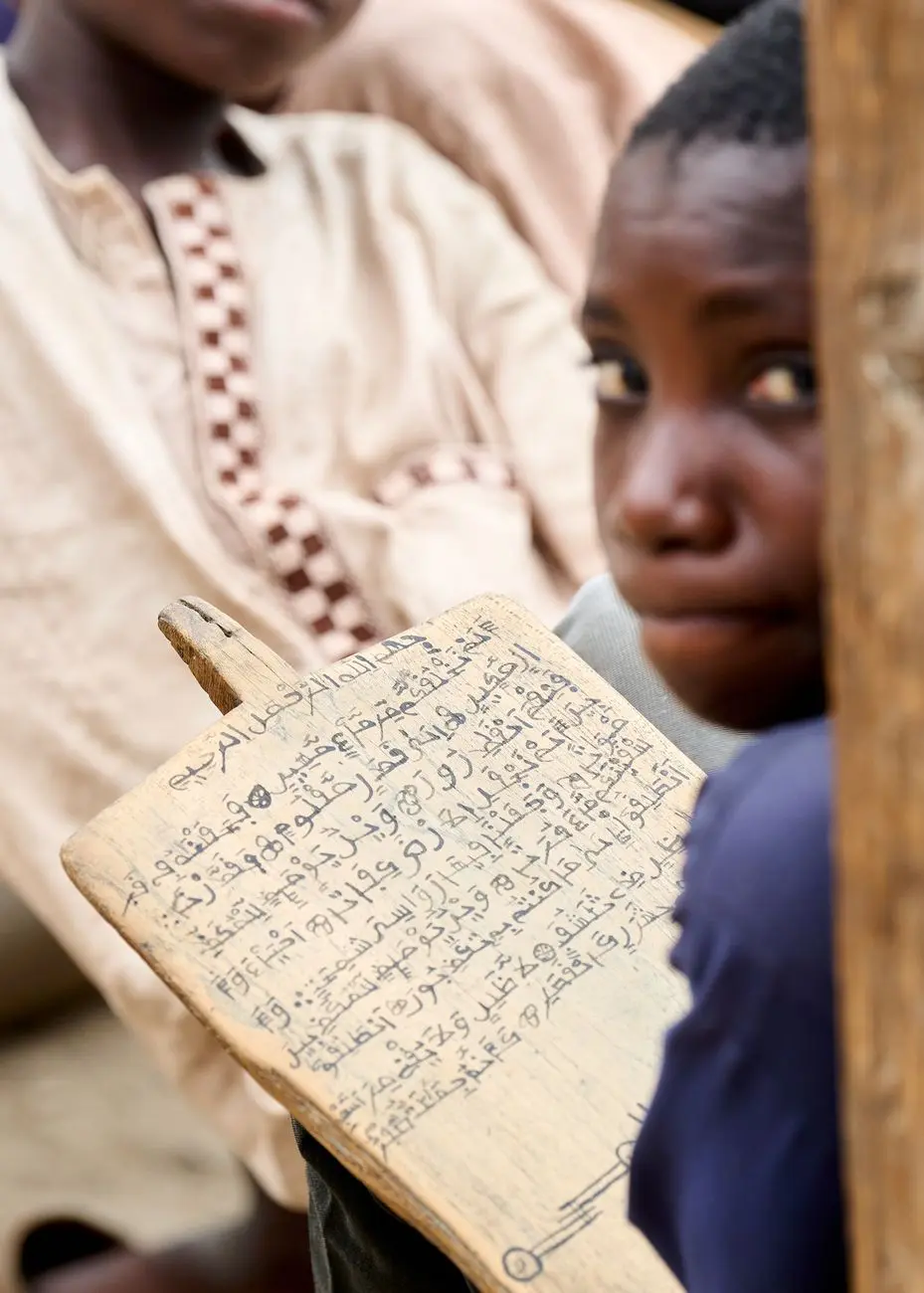
Pope Leo XIV Apologizes: His Black Ancestral Roots
Adding a deeply personal layer to the historic declaration, genealogical research reveals that Pope Leo XIV has direct familial ties to the very history he is addressing [01:37].
- Creole Lineage: The Pope’s maternal ancestors, the Lamels, were Creels of color from Louisiana—a distinct community blending West African, indigenous, and European heritage [01:42].
- Wealth and Property Ownership: Historical documents and birth certificates gathered by genealogists show the family became one of the wealthiest Creole lineages in Louisiana during the 1700s and 1800s [01:57].
- The Complicated Past: Records reveal that the family’s high status in the American South included both extensive property ownership—facilitated by Louisiana’s early laws allowing free women of color to own assets—and participation in slave transactions [02:10].
The Migration from Louisiana to Illinois
Though Pope Leo XIV was born in Illinois, the video notes a deep historical connection between his birth state and his southern ancestral home [02:24]. Illinois was originally part of the vast Louisiana Territory [02:31].
Early trading posts like Kaskaskia saw some of the earliest settlements of Creole people [02:31]. Over time, the promise of better civil liberties in the North prompted generations of families to migrate upward, bridging the geographic divide between the deep South and the Midwest [02:45].
By confronting both the systemic failures of the Catholic church and the nuanced, complicated history of his own bloodline, Pope Leo XIV’s apology opens a raw but critical dialogue about faith, race, and reconciliation in the modern era.




You must be logged in to post a comment.